The first minutes after a house fire in Marin County are disorienting. The flames are out, but the house is soaked. Firefighters used hundreds of gallons of water to stop the fire, and now you’re standing in a home that is both burned and flooded.
It’s hard to know what to touch, what to save, or who to call first. This guide walks you through the first 48 hours when fire and water damage clean up in Marin County becomes your reality, with clear, safe steps in the order that matters.
The next two days shape how much of your home you can recover. Acting carefully in this window limits secondary damage and gives you a stronger footing for repairs and your insurance claim.
Key Takeaways
- Safety and utilities come first. Cleanup waits until the property has been cleared.
- Fire and water damage almost always arrive together, because putting out a fire soaks the home.
- Photograph and inventory everything before you move or throw away anything.
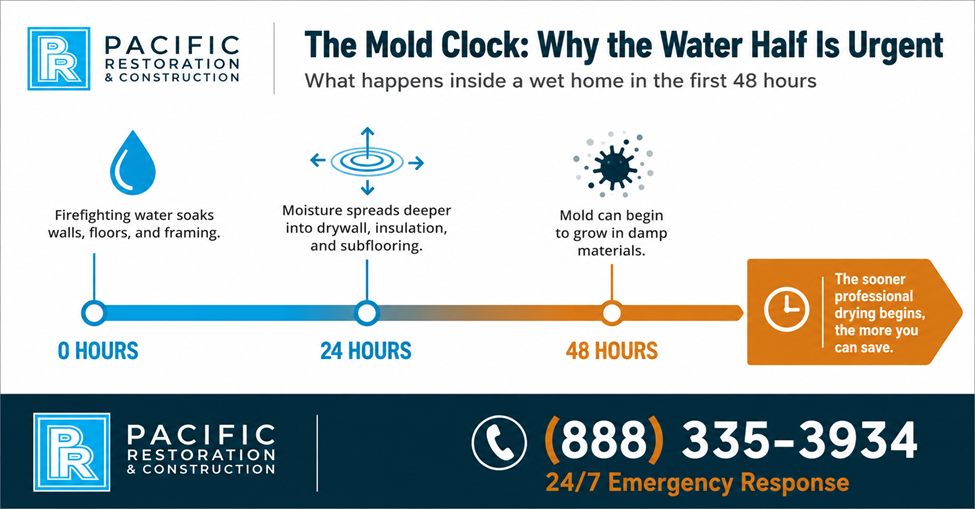
- Mold can start within 24 to 48 hours, so the water side is time-sensitive.
- Combined fire and water damage is professional territory.
- One coordinated cleanup team is faster than juggling separate contractors.
Why Fire and Water Damage Happen Together
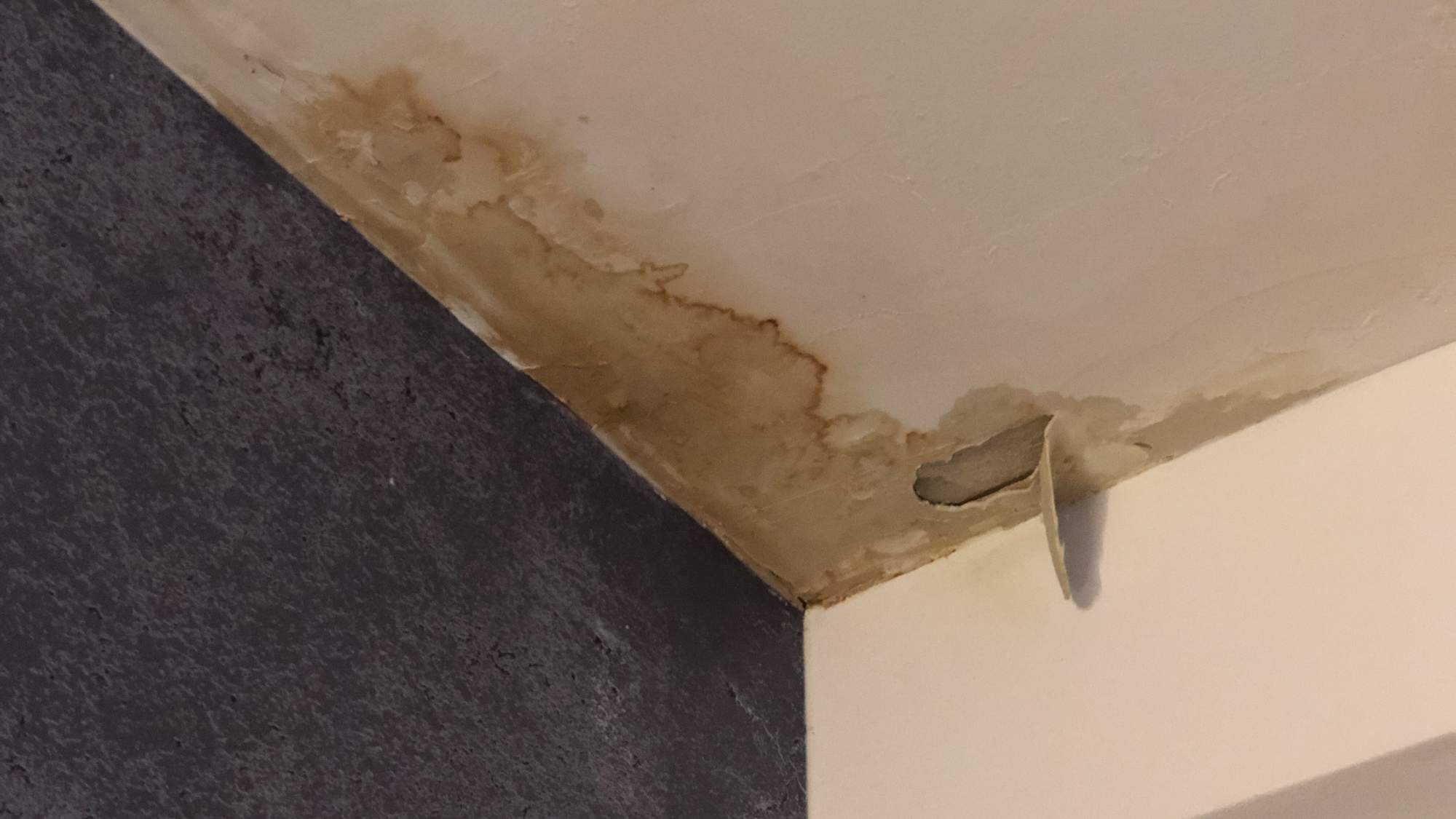
A fire is rarely just a fire. Suppressing it takes water, and a lot of it. Fire hoses, sprinkler systems, and roof damage that lets in rain all leave moisture behind in walls, flooring, insulation, and framing.
That combination is the real problem. Soot and smoke need cleaning, but trapped water starts a second clock. Mold can begin growing within 24 to 48 hours in damp materials, which is why the water side of the damage often needs attention before the fire side is fully addressed.
For more on how these two problems feed each other, see our post on the lesser-known fire damage problem: mold.
Step 1: Confirm Safety Before Re-Entering
A home that has been through fire and water is not safe to walk into right away.
- Structural supports may be weakened
- Floors can be unstable
- Standing water near outlets or damaged wiring is a serious electrical hazard
Wait for the fire department or a qualified inspector to clear the property before you go back in. Air quality is also a concern, since smoke residue and damp materials can affect what you breathe.
Safety Note
Hidden hazards are common after combined fire and water damage. Weakened floors, live electrical current in standing water, and compromised ceilings are not always visible. When in doubt, stay out until a professional confirms the space is safe.
Step 2: Contact Your Insurance and Start Documentation
Call your insurance carrier as soon as you can and open a claim. Before you move or discard anything, document the damage thoroughly.
- Take wide photos of each room and close-ups of damaged items.
- Record video as you walk through.
- Start a written inventory of affected belongings, including approximate age and value where you can.
This record protects you. Once cleanup begins, the original condition is gone, so the documentation you gather now becomes the backbone of your claim. Our guide to navigating your California fire damage claim covers this step in more detail.
Step 3: Address Standing Water And Moisture Fast
The water half of the damage is the most time-sensitive. Every hour that materials stay wet raises the risk of mold and deeper structural harm.
If it is safe, you can remove small amounts of standing water and improve airflow. Do not use a household vacuum on water, and do not pull up flooring or open walls yourself, since you can spread contamination or expose hidden hazards.
What matters most is getting professional drying equipment in place quickly. For a fuller breakdown, read what to do first after water damage.
Step 4: Protect What Can Be Salvaged
Once the property is cleared and documented, separate what can likely be saved from what cannot. Move salvageable items to a clean, dry area away from soot and moisture.
Keep smoke-damaged and water-damaged items apart from clean ones to avoid cross-contamination. Soot transfers easily, and damp items placed near dry ones can spread moisture and odor. Do not throw anything away until it has been photographed and logged for your claim.
Step 5: Call A Professional Fire and Water Damage Cleanup Team
Combined fire and water damage needs one coordinated response, not two separate crews working around each other. Smoke and soot removal, water extraction, drying, odor treatment, and reconstruction all have to be sequenced correctly.
A single team can move from cleanup straight into repairs without gaps that let moisture sit or delays that stall your claim. Pacific Restoration handles both sides of the damage through one integrated workflow, from fire damage restoration through water damage restoration and rebuilding.
Common Mistakes In The First 48 Hours
- Re-entering the home before it has been cleared for safety.
- Throwing away damaged items before photographing and logging them.
- Assuming the fire was the only problem and ignoring hidden moisture.
- Waiting days to call for professional drying, which gives mold time to start.
- Running a household vacuum or fans through soot, which spreads residue.
Pro Tips for the First Two Days
- Photograph every room before you move a single item. You cannot recreate the scene later.
- Do not run the HVAC system. Pushing air through smoke and soot spreads residue into clean areas and ductwork.
- Keep a running loss log on your phone, adding items and notes as you find them.
- Save receipts for anything you buy during the emergency, like tarps or a hotel stay, since these may be reimbursable.
Call Pacific Restoration Now
Fire and water damage does not wait, and neither should your response. The sooner drying and cleanup begin, the more of your home you can save.
Call Pacific Restoration at (888) 335-3934 for 24/7 emergency response, or reach out through our contact page to get started.
Frequently Asked Questions
What Should I Do First After Fire And Water Damage?
Make sure the property is safe before anything else. Wait for the fire department or a qualified inspector to clear the home, then contact your insurance company and begin documenting the damage before you touch or remove anything.
Why Is My Home Water-Damaged After A Fire?
Putting out a fire takes a large volume of water. Fire hoses, sprinkler systems, and rain entering through roof damage all leave moisture in floors, walls, and framing, which is why fire and water damage almost always show up together.
How Fast Do I Need To Act?
Within 24 to 48 hours. Mold can begin growing in damp materials in that window, and trapped moisture keeps damaging structural materials the longer it sits. Quick professional drying makes a real difference.
Can I Handle Fire And Water Damage Cleanup Myself?
Combined fire and water damage is not a DIY project. Soot, contaminated water, weakened structures, and electrical hazards all carry real risk. A professional team also documents the work in a way that supports your insurance claim.

Director of Operations
Jenny Villena is the Director of Operations at Pacific Restoration & Construction, a full-service property restoration company specializing in water, fire, mold, and storm damage recovery. Based in Santa Rosa, California, she oversees daily operations, project coordination, and client relations across both residential and commercial divisions.
Jenny is known for her organizational expertise, calm leadership style, and commitment to guiding clients through the restoration process with empathy and professionalism. With a background in construction management and customer care, she ensures every project is handled efficiently, safely, and in line with Pacific’s high service standards. Her work supports the company’s mission of rebuilding not just properties—but peace of mind.