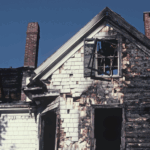

Every summer, Marin homeowners feel the same shift. The hills go gold and dry, the offshore winds pick up, and the smell of the season changes. If you live along a wooded ridge in San Rafael or on an older lot in Novato, that shift means it’s time to prepare.
Living among Marin’s wooded hillsides and mixed-age housing puts real demands on a property when conditions turn. That calls for a plan, not worry. This guide walks through how to lower your risk before a fire and what to do if smoke or damage reaches your home.
Pacific Restoration & Construction is a local fire restoration company serving Marin County, and we’ve spent more than 20 years helping property owners here move from prevention through recovery.
Key Takeaways
- Defensible space is the single most protective action you can take, and it matters even more on Marin’s steep, brush-covered slopes where fire moves fast.
- Late summer through fall is the critical local window. Dry fuel and offshore winds peak in that stretch.
- The step most homeowners skip is home hardening: sealing vents, clearing gutters, and closing the small gaps where embers get in.
- Documenting your property before a loss speeds up recovery and your insurance claim after one.
- Bring in a professional when you need an assessment, when smoke or soot has reached your home, or when you’re planning post-fire repairs.
Step 1: Create and Maintain Defensible Space
Defensible space is the buffer between your home and the vegetation around it. On Marin’s slopes, it does more than any other single measure, slowing fire and giving crews room to defend the structure. Work in zones out from the house:
- The area closest to the structure needs the most attention. Clear dead plants, dry leaves, and anything flammable pressed against the walls.
- The middle zone should be thinned. Break up continuous brush, space out shrubs, and remove ladder fuels that let fire climb from grass to tree canopy.
- The outer zone can keep more vegetation, but keep grass mowed and trees limbed up and spaced.
Start this work in late spring or early summer, before the vegetation fully cures and before red flag conditions arrive.
Pro Tip
Pay closest attention to the first 5 feet around the base of your home. Keep this band clear of:
- Bark mulch
- Firewood
- Patio furniture cushions
- Plants
This is where wind-blown embers collect and smolder, and an ember-resistant zone right at the foundation gives your home its best chance.
Why This Is Step Number One
Defensible space is the one part of staying fire safe that you have the most control over. While we can’t predict nor prevent natural fire disasters, maintaining strategic defensible space around your home can help mitigate damage and save you time in the event of evacuation.
Step 2: Harden Your Home Against Embers
Wind-blown embers, not the fire front itself, are what start most home ignitions during a wildfire. Embers ride the wind for a mile or more and slip into small openings. Home hardening closes those openings.
Focus on the places embers actually enter:
- Attic, eave, and foundation vents should have fine metal mesh screens. Any gap wider than 1/8 inch can let an ember through.
- Roof and gutters. Clear needles and leaves from the roof valleys and gutters, and repair loose or missing shingles.
- Siding and windows. Look for gaps where siding meets trim, and know that dual-pane windows hold up better against radiant heat than single-pane glass.
- Keep the space under and between deck boards clear of debris.
None of this requires a full renovation. Most of it is inspection and cleanup you can do in an afternoon.
Heads Up
The roof and vents are the most common entry points and the easiest to overlook. If you check nothing else, check those.

Step 3: Build an Evacuation and Go-Bag Plan
A prepared exit is part of property safety. Sign up for local alerts through Marin County’s emergency notification system, map at least two routes out of your neighborhood, and agree on a household meeting point.
Then pack a go-bag you can grab in minutes:
- Medications
- Important documents
- Phone chargers
- Cash
- Supplies for pets
Keep it somewhere you can reach on the way out the door.
For a room-by-room breakdown of what belongs in that kit, see our guide, What to Include in Your Fire Emergency Kit: Room by Room.
Step 4: Document Your Property Before Fire Season Peaks
Documentation is the step that pays off later. If smoke, ash, or fire damage reaches your home, a clear record of its prior condition speeds up both cleanup and your insurance claim.
While things are calm, perform a pre-fire season home inspection checklist:
- Photograph and video every room, the exterior, and valuable items.
- Note serial numbers for major appliances, electronics, and HVAC equipment.
- Review your insurance policy so you understand your coverage and limits before you need them.
- Save maintenance receipts for the roof, HVAC, and recent repairs.
Store copies in the cloud or email them to yourself. Paper records in the house don’t help if you have to leave quickly.
When a claim does come, the process has its own steps. Our post, Essential Steps for Navigating Your California Fire Damage Claim, walks through them.
Step 5: Know Your Recovery Plan If Damage Occurs
Preparation lowers your risk, though it can’t remove it. Knowing what recovery looks like ahead of time makes a hard moment easier to manage.
Professional fire damage restoration generally moves through a clear sequence:
- Assessment and inspection
- Smoke and soot removal
- Cleanup and sanitization
- Structural repair
- Reconstruction of affected areas
Because firefighting water often adds to the damage, drying and moisture control may be part of the work too.
Naming these steps in advance means that if damage occurs, you’ll know what to expect and who to call instead of sorting it out under stress.
To learn more, read our Smoke, Soot, & Ash Cleanup Guide.
Common Fire-Season Mistakes Marin Homeowners Make
A few patterns show up again and again:
- Skipping the 5-foot ember zone right against the house, which is where most home ignitions start.
- Ignoring vents and gutters, the exact spots embers use to get in.
- Putting off documentation until after a loss, when it’s too late to capture the before.
- Waiting to vet a fire restoration company until an emergency is already underway, instead of knowing who to call in advance.
Why This Season Is the Time to Act
Pacific Restoration & Construction has served Sonoma and Marin County property owners for more than 20 years, from the first assessment through cleanup and full reconstruction. We know Marin’s terrain, its microclimates, and how fire and firefighting water tend to affect the homes here.
- 24/7 emergency response, any day of the year
- Fully licensed and insured
- Familiar with Marin’s hillside neighborhoods and mixed-age housing
- A complete workflow that carries you from cleanup through repair and reconstruction
Acting before peak season means you’re ready, and you already know who to call if you need us.
Call Pacific Restoration Today
Marin’s dry months are already here, and fire season won’t wait. Take the preparation steps now, and keep our number handy in case you need recovery help later.
Call Pacific Restoration at (888) 335-3934 for 24/7 emergency response, or contact us online to schedule an assessment.
Frequently Asked Questions
When should Marin homeowners start fire-season prep?
Late spring or early summer is the right time. Starting then gives you room to clear defensible space, seal vents, and handle repairs before the vegetation fully dries and offshore winds arrive. An annual walk-through keeps your property current year to year.
How does Marin’s geography affect wildfire risk?
Marin combines wildland-urban interface neighborhoods, steep hillsides that speed fire uphill, and seasonal winds that carry embers well ahead of any flames. Coastal areas near Sausalito often hold more moisture, while inland valleys around Novato and San Rafael dry out faster and carry higher risk during peak season.
What should I do first if my home has fire damage?
Make sure the property is safe to enter, and don’t start cleaning right away. Smoke and soot residue can be acidic and can spread if handled the wrong way. Photograph the damage, contact your insurer, and call a professional restoration team to assess the property before repairs begin.
What does a fire restoration company actually do after a fire?
A fire restoration company assesses the damage, removes smoke and soot, cleans and sanitizes affected areas, treats lingering odor, and repairs or rebuilds structural damage. Because water from firefighting is often involved, drying and moisture control may be part of the process as well.
Does Pacific Restoration serve my part of Marin County?
Pacific Restoration serves communities throughout Marin County, including San Rafael, Novato, Sausalito, and surrounding areas, along with Sonoma County and the broader Bay Area. If you’re not sure whether your location is covered, call (888) 335-3934 and we’ll confirm.

Director of Operations
Jenny Villena is the Director of Operations at Pacific Restoration & Construction, a full-service property restoration company specializing in water, fire, mold, and storm damage recovery. Based in Santa Rosa, California, she oversees daily operations, project coordination, and client relations across both residential and commercial divisions.
Jenny is known for her organizational expertise, calm leadership style, and commitment to guiding clients through the restoration process with empathy and professionalism. With a background in construction management and customer care, she ensures every project is handled efficiently, safely, and in line with Pacific’s high service standards. Her work supports the company’s mission of rebuilding not just properties—but peace of mind.