Wildfire smoke doesn’t stay where the fire burns. A blaze in Sonoma, Napa, or the hills outside your town can push smoke, soot, and ash into Marin County homes that never saw a flame.
Smoke and soot settle into surfaces, fabrics, and ductwork, and the damage isn’t always visible. As a fire restoration company in Marin County, Pacific Restoration helps homeowners across the North Bay sort out how to document the instance for insurance and clean it up the right way.
By the end of this guide, you’ll know how smoke, soot, and ash differ, how they damage a home, what to photograph for your claim, and when DIY cleaning is enough versus when to call for help.
Key Takeaways
- Smoke, soot, and ash are three different residues, and each one calls for a different cleanup approach.
- Damage can reach your home even when the fire stays miles away.
- Photograph and document everything before you clean. Insurers want a record of the original condition.
- Light surface residue is often a DIY job. Heavy soot, odor in the HVAC system, or ash from a burned building usually needs a professional.
- Replace your HVAC filter after a wildfire so your system stops circulating particles.
- Returning odor is a sign that residue is still trapped somewhere you can’t see.
Smoke, Soot, and Ash: What’s the Difference?
These three get are often used interchangeably, but they are not actually the same. Knowing which one you have changes how you clean it.
- Smoke is the airborne mix of gases and fine particles released as material burns. It carries odor and settles as a thin film.
- Soot is the black or brown residue smoke leaves It’s oily or powdery, sticks to walls, ceilings, and fabrics, and smears if you wipe it the wrong way.
- Ash is the gray or white powder left after material fully burns. After a wildfire, ash drifts for miles and collects on roofs, decks, and patios, and gets inside through open windows or vents.
Wiping oily soot with a wet cloth can spread it and stain the surface. That’s why the residue type matters before you grab a sponge.
How Smoke, Soot, and Ash Damage A Home, Even Without Flames
Damage builds quietly. Smoke particles are small enough to work into porous materials: drywall, insulation, upholstery, carpet, and wood. Here’s what that does over time.
- Soot is acidic. Left on metal, glass, or finished surfaces, it can etch and discolor them within days.
- Smoke odor absorbs into soft materials and stays there until the source is removed.
- Ash holds moisture. When it gets wet, it can stain concrete, stucco, and decking, and it turns corrosive.
Particles pulled into your HVAC system spread through the whole house every time the unit runs. The longer residue sits, the harder and more expensive it is to clean.
Replace your HVAC filter as soon as it’s safe to be back inside. A clogged or contaminated filter pushes smoke particles back into your living space and can wear down the system.
Signs You Need a Professional Cleanup
Some situations are bigger than a sponge and a bucket. Call a pro if you notice any of these:
- Soot covering walls, ceilings, or large areas, not just a light dusting
- A burnt smell that returns after you’ve already cleaned
- Visible residue inside HVAC vents or registers
- Smoke that reached fabrics, carpet, or upholstery throughout the home
- Ash that came from a nearby burned structure, not just vegetation
- Coughing, irritated eyes, or headaches when you’re inside
These can be a sign that residue has settled deeper than the surface and should be evaluated by a qualified professional.
How to Document Smoke and Ash Damage for Insurance
Do this before you clean. Once you wipe surfaces down, you lose the evidence of the original condition, and that can complicate your claim.
- Photograph every affected room, surface, and item, with both wide shots and close-ups
- Take video walking through the home and describe what you see out loud.
- Note the date and, if you know it, the wildfire or smoke event.
- Keep damaged items until your adjuster tells you otherwise.
- Save receipts for filters, cleaning supplies, air purifiers, and any temporary lodging.
- Write down odors, since they’re part of the loss even when nothing looks dirty.
Clear documentation supports your claim and gives your restoration team an accurate starting point.
What You Can Clean Yourself, and When to Call a Pro
You can often handle it yourself when:
- The residue is light and limited to a few hard surfaces
- There’s no odor in the HVAC system
- The smoke drifted in from distant vegetation, not a burned building
Call for a professional fire restoration in Marin County when:
- Soot is heavy, greasy, or widespread
- Odor keeps coming back
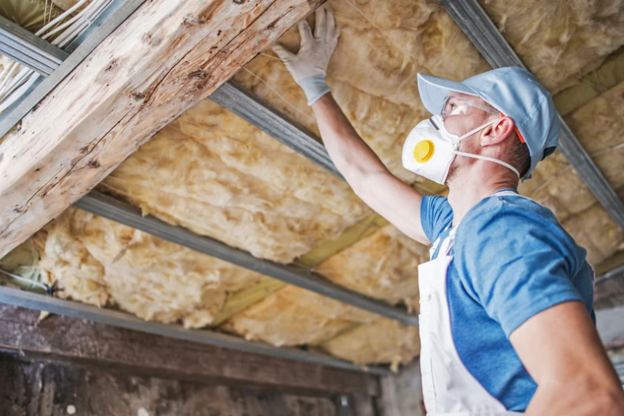
- Fabrics, ducts, or insulation are involved
- You’re filing an insurance claim and want documented, professional cleanup
A professional cleanup usually moves through assessment, containment, air filtration, surface and contents cleaning, odor treatment, and repairs to any affected materials.
Why Smoke Odor Comes Back After Cleaning
Lingering odors happen because smoke particles hide where surface cleaning can’t reach:
- Inside walls
- Ductwork
- Insulation
- Carpet padding
- Porous wood
Heat and humidity reactivate the odor.
Getting rid of it for good means treating the trapped source, not just freshening the air. A restoration team uses containment, air scrubbers with HEPA and carbon filtration, and odor treatments matched to the material involved.
Is Ash Cleanup a Biohazard?
Sometimes. It depends on what is burned.
Ash from burned vegetation is irritating and should be handled with gloves, an N95 mask, and care to avoid stirring it into the air.
Ash from a burned building is a different matter. It can contain:
- Melted plastics
- Treated wood
- Asbestos
- Heavy metals
- Other hazardous materials
That kind of ash should be handled as hazardous, with proper protective equipment and disposal procedures.
If you don’t know what burned, treat the ash as unsafe until it’s been evaluated.
Call Pacific Restoration Today
Pacific Restoration & Construction has over two decades of hands-on restoration experience across Northern California.
We handle smoke, soot, and ash cleanup with a calm, documented process and clear communication from the first assessment through final repairs.
Call Pacific Restoration at (888) 335-3934 to schedule an assessment, or contact us online to start your property restoration.
Frequently Asked Questions
How long does smoke and soot cleanup take?
It depends on the size of the home and the extent of the damage. Light surface cleaning can take a day or two. Whole-home cleanup that includes odor treatment, HVAC, and affected fabrics can run from several days to a few weeks.
Do I need to replace my HVAC filter after a wildfire?
Yes. A contaminated filter recirculates smoke particles through the house and strains the system. Replace it before running the unit again.
Is wildfire ash dangerous?
Vegetation ash is irritating and needs basic protection. Ash from a burned structure can be hazardous and should be handled by professionals.

Director of Operations
Jenny Villena is the Director of Operations at Pacific Restoration & Construction, a full-service property restoration company specializing in water, fire, mold, and storm damage recovery. Based in Santa Rosa, California, she oversees daily operations, project coordination, and client relations across both residential and commercial divisions.
Jenny is known for her organizational expertise, calm leadership style, and commitment to guiding clients through the restoration process with empathy and professionalism. With a background in construction management and customer care, she ensures every project is handled efficiently, safely, and in line with Pacific’s high service standards. Her work supports the company’s mission of rebuilding not just properties—but peace of mind.