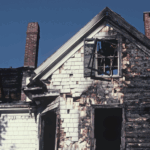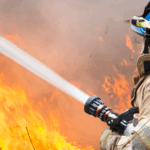
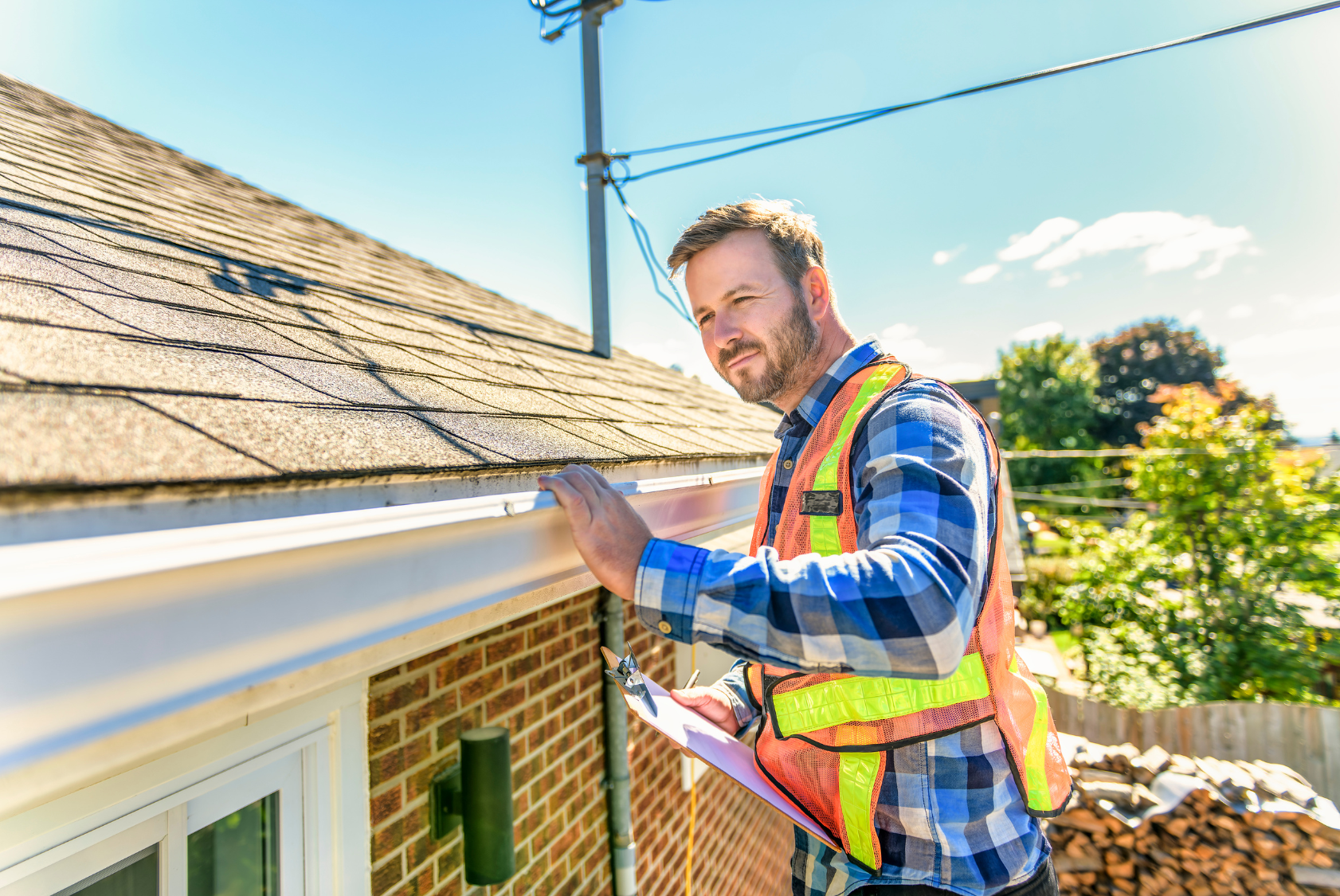
Wildfire season in the North Bay has a rhythm. Heat builds, winds pick up, and air quality drops, usually starting in late summer and running into fall. A pre-season inspection gives you a clear picture of your property’s condition before any of that arrives. Knowing where your home stands now makes it easier to act fast if smoke, ash, or fire damage in Sonoma County reaches your area later.
Key Takeaways
- Start before the heat. Late spring and early summer give you time to fix problems before fire season ramps up.
- The roof and vents matter most. Embers travel on wind and find their way into gaps, gutters, and openings.
- Document as you go. Photos, serial numbers, and receipts gathered now make a future insurance claim far smoother.
- Some conditions need a pro. Past smoke claims, lingering odor, or attic and crawlspace uncertainty are worth a professional inspection.
Why a Pre-Season Inspection is So Important
A pre-season walk-through finds small problems while they’re still easy to fix. A clogged gutter, a torn vent screen, or a wood pile against the house can each turn a near miss into real damage. Catching them in June is straightforward. Catching them during a red flag warning is much harder.
This kind of inspection also gives you a baseline. If smoke or ash reaches your property later, you’ll have photos and notes showing the condition beforehand, which helps when you file a claim or schedule cleanup.
Start With the Exterior
Most wildfire damage in Sonoma County starts on the exterior, where embers land before flames arrive. Wind carries them onto the roof, into gutters, through vents, and onto decks and dry plants near the walls. Work through these outdoor zones first, then move to the attic, crawlspace, and garage.
Roofs and gutters
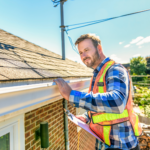
Your roof is the largest surface exposed to falling embers, and gutters collect the dry debris that embers ignite.
- Clear the gutters and roof valleys of leaves, pine needles, and debris.
- Check for loose, cracked, or missing shingles or tiles that leave gaps underneath.
- Look where the roof meets walls and chimneys for openings or worn flashing.
Pro Tip: Photograph the full roofline from each side of the house. The roof is hard to inspect later and useful to have on file.
Vents and Openings
Vents let your home breathe, and they can also let embers in.
- Inspect attic, eave, and foundation vents for damaged or missing screens.
- Note any gap wider than 1/8 inch, which an ember can pass through.
- Check dryer vents and other wall openings for buildup or loose covers.
Decks, Fences, and Outdoor Storage
Anything flammable touching the house gives fire a path to the structure.
- Clear leaves and debris from between deck boards and underneath the deck.
- Look at wood fences where they attach to the house, since a fence can carry fire straight to a wall.
- Move firewood, propane tanks, and stored materials away from the structure.
Keep at least a 5-foot clear zone around the base of the house, free of mulch, plants, and stored items.
Landscaping and Access
Vegetation near the home matters, and so does a clear driveway for the crews who may need to reach you.
- Trim branches back from the roof, chimney, and walls.
- Remove dead plants, dry grass, and low tree limbs near the house.
- Check that your address is visible and your driveway is wide and clear enough for a fire engine.
Check the Interior and Hidden Areas
Once the outside is covered, check the spaces embers and smoke can reach without being seen. Attics, crawl spaces, garages, and utility areas often have gaps, vents, or stored fuel that get overlooked. A few minutes in each one closes the openings most people miss.
Attics and Crawl Spaces
These hidden spaces are easy to skip and common entry points for embers and smoke.
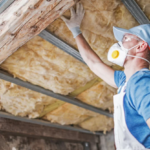
- Look for daylight or gaps around vents, eaves, and the roof edge.
- Check insulation and stored items for signs of past moisture, pests, or staining.
- Confirm vent screens are intact in both the attic and the crawlspace.
Garages and Utility Areas
Garages store fuel, paint, and equipment, and they often connect directly to living space.
- Store gasoline, solvents, and propane in approved containers away from heat sources.
- Check the weather stripping and seal on the door between the garage and the house.
- Clear clutter away from the water heater, furnace, and electrical panel.
Keep Your Records Updated and Accessible
Good documentation turns a stressful claim into a manageable one. Gather this before fire season, not during it.
- Photos and video of each room, the exterior, and valuable items.
- Serial numbers for major appliances, electronics, and HVAC equipment.
- Maintenance receipts for the roof, HVAC, and recent repairs.
- Insurance contact information and your policy number, saved somewhere you can reach from your phone.
- A written emergency plan with exit routes, a meeting point, and a go-bag list for your household.
Store copies in the cloud or email them to yourself. Paper records in the house don’t help if you have to leave quickly.
When to Schedule a Professional Inspection
Some situations call for a trained eye, especially when hidden smoke, soot, or moisture may be involved. Contact a professional if any of these apply:
- You’ve had a previous fire or smoke insurance claim on the property.
- A smoke odor lingers from a past fire or nearby wildfire.
- You see soot or staining on walls, ceilings, vents, or in the attic.
- You have water damage or mold concerns, which can hide alongside smoke residue.
- The structure is older and may have aging vents, seals, or materials.
- It’s a rental or commercial property with tenants or added liability.
- You’re unsure about the attic, crawlspace, or HVAC system, where contamination is hard to see and easy to miss.
A professional assessment documents the property’s condition and flags what needs attention before repairs begin.
Schedule Your Pre-Season Inspection with Pacific Restoration
Pacific Restoration & Construction has worked with Sonoma County and Marin County property owners for more than 20 years, from initial assessment through cleanup and reconstruction.
If your walk-through turns up smoke residue, water damage, or anything you’d rather have checked by a professional, our team can take a closer look and document the condition of your property.
Contact us online or call Pacific Restoration at (88) 335-3934 to schedule an assessment.
Frequently Asked Questions
When should I do a pre-fire season inspection?
Late spring or early summer is the best time to schedule an inspection. That gives you time to clear debris, repair vents, and trim vegetation before heat and wind arrive. An annual check keeps your baseline current.
What’s the single most important thing to check?
Your roof, gutters, and vents. Embers travel on the wind and tend to land on the roof, collect in gutters, and slip through gaps and unscreened openings. Closing those entry points lowers your risk more than almost anything else.
Do I really need to document my home before anything happens?
It’s worth the hour. Photos, serial numbers, and receipts gathered now give you a clear before-and-after record if smoke or ash reaches your property. That record helps your insurer process a claim and helps a restoration team scope the work.

Director of Operations
Jenny Villena is the Director of Operations at Pacific Restoration & Construction, a full-service property restoration company specializing in water, fire, mold, and storm damage recovery. Based in Santa Rosa, California, she oversees daily operations, project coordination, and client relations across both residential and commercial divisions.
Jenny is known for her organizational expertise, calm leadership style, and commitment to guiding clients through the restoration process with empathy and professionalism. With a background in construction management and customer care, she ensures every project is handled efficiently, safely, and in line with Pacific’s high service standards. Her work supports the company’s mission of rebuilding not just properties—but peace of mind.