Most people don’t think about a fire emergency kit until they’ve already lived through the chaos of grabbing whatever’s closest and hoping it’s enough.
At Pacific Restoration & Construction, we’ve helped families recover after devastating losses. As a fire restoration company in Sonoma County, we’ve seen how a little preparation can make the first hour after a fire safer—and the first week less overwhelming.
Here’s a practical and realistic room-by-room guide for what to pack in case of an emergency.
Starting Ground Rules for Kits
Before we get into each room, set yourself up for success with these basics:
- Keep kits where you can reach them fast.
- Make “grab-and-go” the goal.
- Store backups.
- Update twice a year.
If you’re in a higher-risk area, treat this like you would smoke alarms: not optional and not a chore for later.
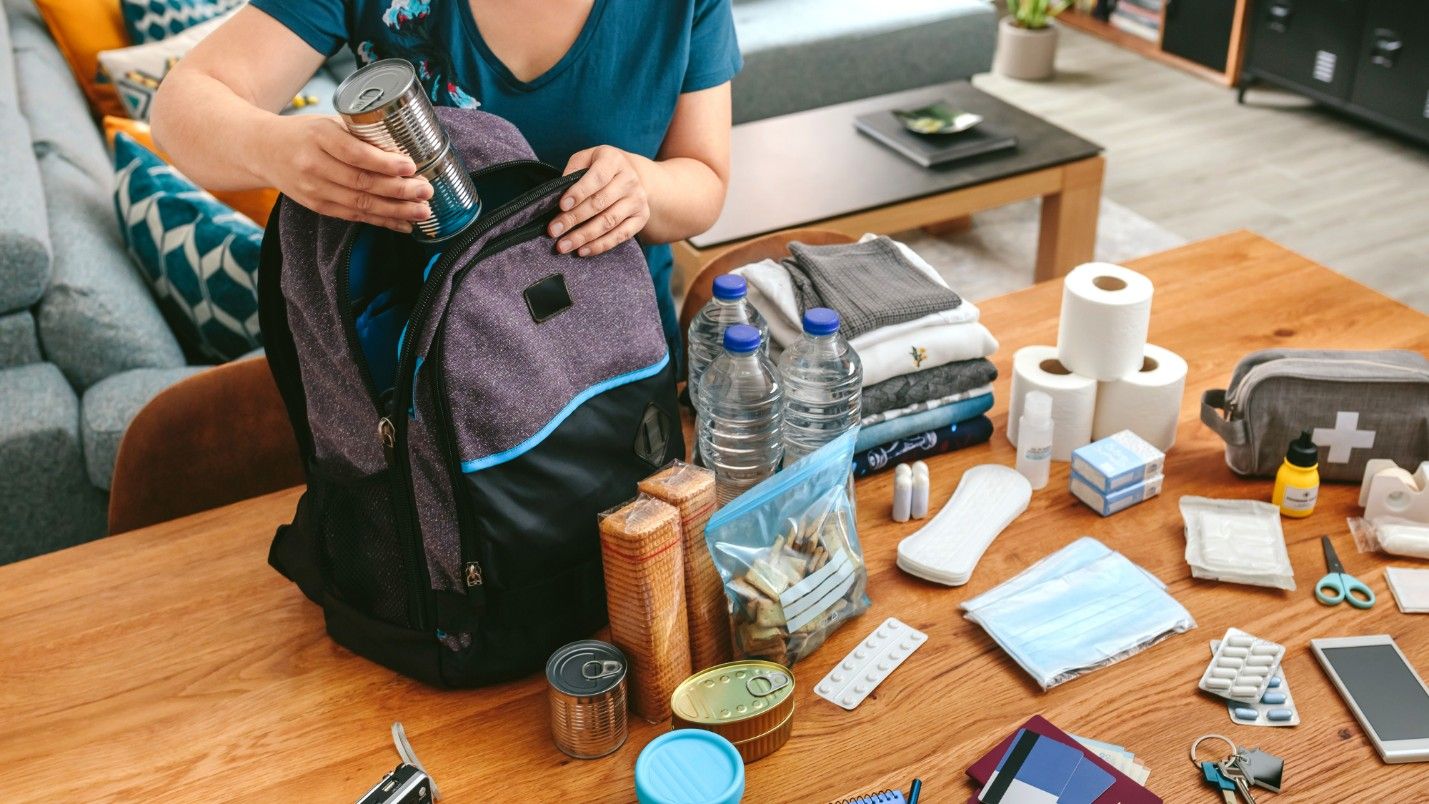
The Fire Emergency Kit Checklist
These are the essentials most households should keep in every main kit:
- Copies of important documents (ID, insurance policy, deed/lease, medical info)
- First-aid kit
- Flashlight + extra batteries
- N95 masks
- Portable phone charger / power bank
- Cash in small bills
- Printed emergency contact list
- Water
- Three-day supply of non-perishable food
- Spare set of keys (house and car)
Now let’s make it truly room ready.
Bedroom Emergency Kit Essentials
If a fire starts at night, the bedroom kit is about fast movement and quick decisions.
What to Include
- Flashlight within arm’s reach of the bed
- Whistle
- Sturdy shoes + socks
- Spare keys
- Basic go-bag with a change of clothes
- 3-day supply of prescription medications
- Glasses/contacts + case/solution
- Copies of critical documents in a waterproof pouch
- Emergency ladder for second-story bedrooms
Put shoes and the flashlight where you can find them without thinking—under the bed or in a nightstand drawer. In real emergencies, simple wins.
Kids’ Room Emergency Kit Essentials
For children, the kit should reduce panic and help them feel anchored while you focus on getting everyone out.
What to Include
- Child-sized N95 masks
- Small flashlight with an easy switch
- ID bracelet/card with emergency contacts
- Comfort item (small blanket or toy)
- Pre-packed backpack: change of clothes, snacks, water pouch
- A printed family meeting spot reminder
Practice fire drills like you practice a school morning routine, calm repetition is your friend.
Pet Area Emergency Kit Essentials
Pets hide when they’re scared. Having their essentials together saves time and helps you avoid searching a smoky house.
What to Include
- Extra leash + harness (or a secure carrier for cats/small pets)
- 2–3 days of pet food + collapsible bowl
- Vaccination records
- A recent photo of your pet
- Comfort item (toy/blanket)
- Waste bags or litter supplies
Don’t assume your pet will come when called, keep carriers accessible.
Bathroom Emergency Kit Essentials
The bathroom can be one of the most useful places for backup supplies, especially for medical and hygiene needs.
What to Include
- Travel-size toiletries
- Hand sanitizer + moist towelettes
- Sanitary supplies
- Extra contacts or prescription hygiene items
- A small towel
Kitchen Emergency Kit Essentials
Many kitchens already have a fire extinguisher, but it’s also where fires often start, which means it’s not the best place for your main emergency kit.
What to Include
- Fire extinguisher
- Fire blanket
- Manual can opener
- Bottled water
- Battery-powered or crank emergency radio
Garage or Utility Room Emergency Kit Essentials
This space is often where you can keep tools that help during shutoffs or evacuations.
What to Include
- Fire-resistant gloves
- Basic tool kit
- Crowbar or wrench
- Duct tape
- Extra flashlights/batteries
- Heavy-duty mask for smoke/ash exposure
Store a secondary go-bag here if you commonly exit through the garage—but keep it in a spot that isn’t blocked by storage.
Home Office Emergency Kit Essentials
If your important documents live in your office, plan for quick access, without trying to “save everything.”
What to Include
- Portable hard drive
- Spare chargers and a power bank
- List of key account numbers
- Copies of insurance and property documents
Car Emergency Kit
Evacuations don’t always give you time to go back inside for supplies. A car kit helps whether you’re leaving quickly or stuck in traffic.
What to include
- Blanket
- Water + protein bars
- Flashlight + extra batteries
- Small first-aid kit
- Portable phone chargers
- Reflectors/road flares
- Change of clothes
If You’ve Had Fire Damage: What to Do Next
After a fire, even if it looks “mostly fine,” smoke and soot can spread farther than you think. The safest next steps are typically:
- Don’t re-enter until officials say it’s safe
- Avoid touching soot
- Take photos for documentation if it’s safe to do so
- Call a professional for an assessment of smoke, soot, odor, and structural impact
Pacific Restoration & Construction is a fire restoration company in Sonoma County providing 24/7 response. We help with all fire emergency damage needs.
Call Your Locally Trusted Restoration Company
Preparation protects people, and if the worst happens, a steady, professional response protects your home and your next steps. If you need help after fire or smoke damage, contact Pacific Restoration & Construction online or call (888) 335-3934 for 24/7 emergency support.

Director of Operations
Jenny Villena is the Director of Operations at Pacific Restoration & Construction, a full-service property restoration company specializing in water, fire, mold, and storm damage recovery. Based in Santa Rosa, California, she oversees daily operations, project coordination, and client relations across both residential and commercial divisions.
Jenny is known for her organizational expertise, calm leadership style, and commitment to guiding clients through the restoration process with empathy and professionalism. With a background in construction management and customer care, she ensures every project is handled efficiently, safely, and in line with Pacific’s high service standards. Her work supports the company’s mission of rebuilding not just properties—but peace of mind.