
After a fire, a flood, or a difficult event in a home, the instinct is to grab gloves, a mop, and whatever’s under the sink and start cleaning. For a lot of property damage, that’s the wrong call. Some conditions are health hazards, and household products and methods can spread contamination, expose you to harmful materials, or destroy evidence your insurer needs.
If you’re a Sonoma County homeowner or property owner trying to figure out whether your situation needs more than a deep clean, this guide is for you. Biohazard cleanup in Sonoma County covers damage that standard household cleaning can’t safely handle, and knowing where that line falls helps you protect your health and your property.
By the end, you’ll know what counts as a biohazard, why these conditions need trained professionals, how the cleanup process works, and what to do before help arrives.
Key Takeaways
- A biohazard is any biological or chemical material that can harm health, and damaged homes produce more of it than people expect
- Fire and smoke residue, contaminated water, and trauma scenes are common biohazard situations in Sonoma County
- Household cleaners and methods can spread contamination and expose you to harmful particles
- Professional cleanup follows safety protocols: containment, protective equipment, decontamination, and proper disposal
- Documentation during cleanup supports your insurance claim
- Before help arrives, stay out of the affected area, keep others away, and don’t start cleaning
What is a Biohazard?
A biohazard is any biological or chemical material that can threaten human health. In a damaged home, that includes more than the obvious. Soot, contaminated water, mold, chemical residue, and human or animal waste can all qualify, depending on what happened.
The materials involved fall into a few groups:
- Biological hazards such as bacteria, mold, bodily fluids, and decomposition byproducts
- Chemical hazards such as soot residue, fire suppression chemicals, and melted synthetic materials
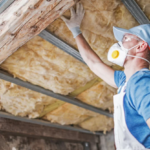
- Physical hazards such as asbestos or heavy metals stirred up by fire or structural damage
What makes these dangerous is that you often can’t see or smell the worst of it. Fine particles, airborne spores, and chemical residue settle into materials and air long after the visible mess is gone.
Why a Biohazard Cleanup in Sonoma County Should be Handled by Professionals
Standard cleaning makes some of these situations worse. Here’s why these conditions call for trained crews.
Household methods spread contamination. Wiping, vacuuming without proper filtration, or hosing down an area can push particles into the air and across surfaces you hadn’t touched yet.
The Exposure Risk is Real
Smoke residue, mold spores, and biological material can cause respiratory irritation and other health effects, and the people doing the cleaning are the most exposed.
Disposal Has Rules
Contaminated materials often can’t go in your household trash. They require proper handling and disposal procedures.
Proper Documentation Matters
A professional process records the original condition, which supports your insurance claim and gives the restoration team an accurate starting point.
If you’re unsure whether a situation is a biohazard, treat it as one until a qualified professional evaluates it. The cautious choice protects your health.
Common Biohazards after Fire Season
Sonoma County’s fire seasons drive a lot of these calls, so it helps to know how fire and smoke create biohazard conditions, along with the other situations that qualify.
Fire and Smoke Damage
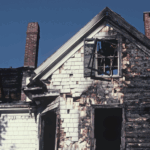
Fire leaves more than char. Smoke and soot residue are acidic and can contain harmful chemicals from burned synthetics, plastics, and treated materials.
Ash from a burned structure can hold asbestos, heavy metals, and other hazards. Add the water used to put the fire out, and you have a mix that needs careful, documented handling.
Water Intrusion and Contaminated Water
Flooding, sewage backups, and long-term leaks can bring in bacteria and promote mold growth. Water that has touched sewage or sat for days is treated as contaminated and is handled differently from clean water.
Trauma and Unattended Situations
Scenes involving injury, illness, or a property left unattended can involve biological material that requires careful, discreet handling, and decontamination.
These situations call for experienced professionals and a respectful approach.
Vacant or Neglected Properties
A property that has sat empty can develop mold, pest infestation, and waste accumulation. What looks like an ordinary cleanout can hide biohazard conditions that need proper assessment first.
What’s Included with a Professional Biohazard Cleanup
A professional approach follows a consistent set of steps built around safety and documentation.
- The team inspects the property, identifies the hazards, and plans the cleanup.
- Affected areas are isolated so contamination doesn’t spread to clean parts of the home.
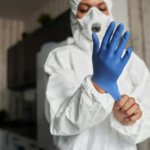
- Protective measures. Crews use protective equipment and air filtration while they work.
- Decontamination and removal. Contaminated materials are cleaned or removed and sanitized.
- Proper disposal. Hazardous materials are disposed of according to required procedures.
- Affected areas are repaired and restored so the property is safe and usable again.
Throughout, the process is documented, so you have a clear record for insurance.
How to Know if Your Situation is a Biohazard
You may be facing a biohazard situation if:
- Your home has fire, smoke, or soot damage, especially with HVAC involvement
- Water has come from sewage, flooding, or a leak that sat for days
- There’s been an injury, illness, or unattended situation in the property
- A vacant property shows mold, pests, or waste buildup
- You smell strong odors or feel respiratory irritation when you enter
If you recognize any of these, have the property evaluated by a qualified professional before you clean.
What to Do Before Help Arrives
A few practical steps protect your health and your claim:
- Stay out of the affected area, and keep family, tenants, and pets away
- Don’t start cleaning. You could spread contamination or expose yourself to harmful material
- Turn off the HVAC system if smoke or contamination could spread through it
- Photograph the area from a safe distance if you can do so without entering
- Call your insurance provider and a professional restoration team
Schedule Your Professional Assessment
Pacific Restoration & Construction has over two decades of hands-on restoration experience across Northern California. The team handles biohazard situations with discretion, proper safety measures, and clear communication from assessment through final repairs.
If your property has damage that might be a biohazard, the safe next step is a professional assessment.
Call Pacific Restoration at 888-335-3934, or contact us online to begin your property recovery.
Frequently Asked Questions
When is biohazard cleanup in Sonoma County required?
After fire and smoke damage, sewage backups or contaminated flooding, trauma or unattended situations, and in neglected properties with mold, pests, or waste.
Can I clean a biohazard situation myself?
Standard household cleaning can spread contamination and expose you to harmful particles. These situations should be evaluated and handled by trained professionals.
How much does biohazard cleanup cost?
Cost depends on the type and extent of contamination, the size of the area, and the materials involved. A professional assessment gives you an accurate estimate.

Director of Operations
Jenny Villena is the Director of Operations at Pacific Restoration & Construction, a full-service property restoration company specializing in water, fire, mold, and storm damage recovery. Based in Santa Rosa, California, she oversees daily operations, project coordination, and client relations across both residential and commercial divisions.
Jenny is known for her organizational expertise, calm leadership style, and commitment to guiding clients through the restoration process with empathy and professionalism. With a background in construction management and customer care, she ensures every project is handled efficiently, safely, and in line with Pacific’s high service standards. Her work supports the company’s mission of rebuilding not just properties—but peace of mind.