Water damage has a way of turning a normal day into a “what do we do now?” moment, especially when it spreads behind walls or under flooring where you can’t see it.
Here’s the thing: not all water damage is the same. The cleanup plan depends on two big factors:
- Category (how contaminated the water is)
- Class (how far the water traveled and how soaked things are)
In this guide, we’ll break down the categories and classes of water damage Sonoma County property owners deal with most often, so you can understand what you’re looking at, what’s safe to handle, and why quick action matters.
Water Damage Gets Complicated Quickly
Water is sneaky, it doesn’t politely stay in one spot.
A small leak can:
- Run along a joist and drip into a different room
- Soak into drywall from the bottom up
- Pool under laminate or hardwood without obvious surface water
- Settle in crawlspaces where humidity lingers
The combination of older homes, crawlspaces, and remodeling layers can make water damage situations harder to spot early and more expensive the longer they sit.
The Different Water Damage Categories
The category tells you how clean or contaminated the water is. This matters because it affects health risks and how the area should be cleaned.
Category 1: Clean Water
Category 1 water starts out clean and sanitary. It’s water you wouldn’t worry about if it touched your hands.
Common Sources
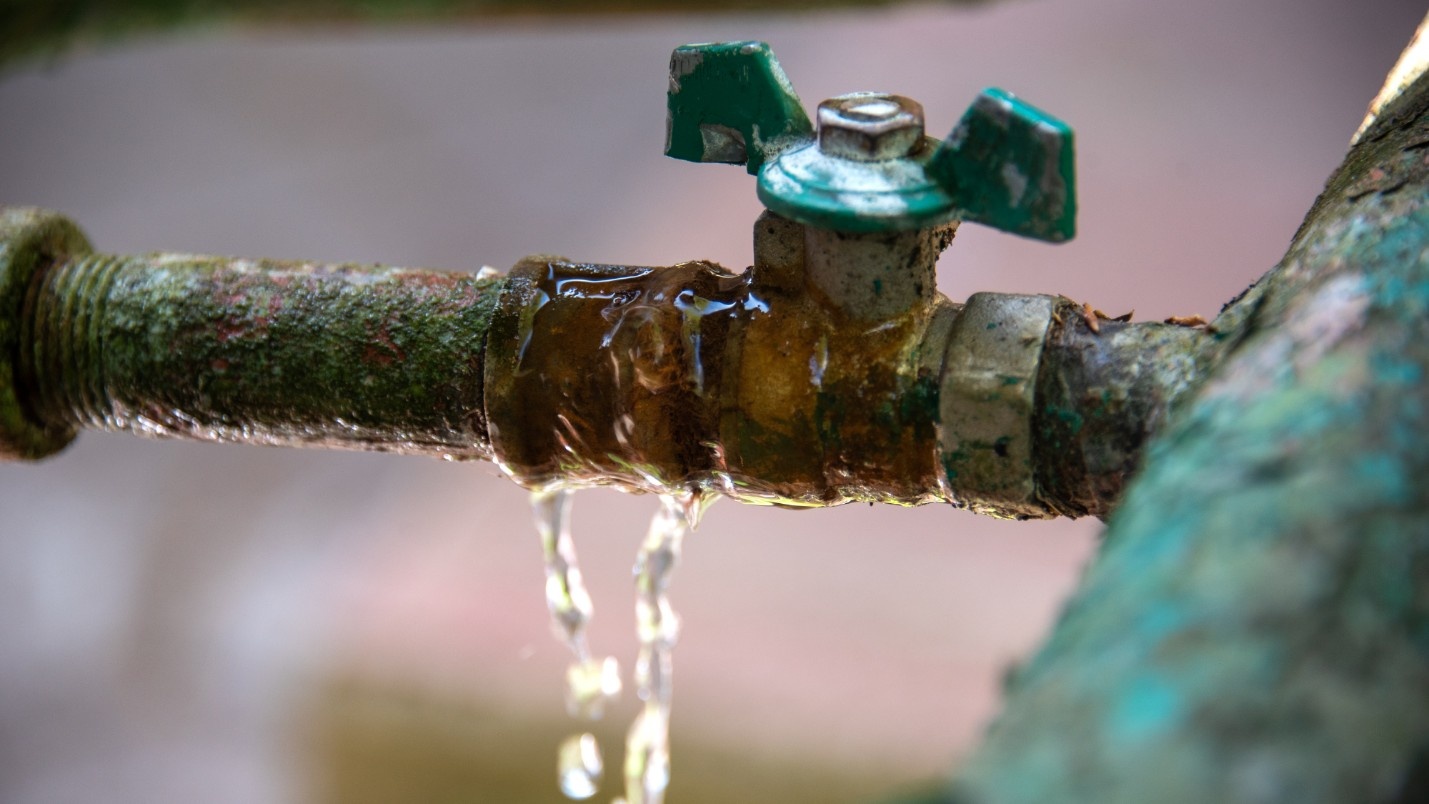
- A broken supply line
- A leaking faucet valve or pipe under a sink
- An overflowing bathtub or sink
- Appliance leaks
- Rainwater before it mixes with dirt or debris
Once water sits, warms up, or touches building materials, it can start picking up contaminants.
Typical Restoration Approach
- Stop the source and remove standing water
- Dry quickly using strong airflow and dehumidification
- Check for spread into baseboards, drywall edges, or nearby rooms
- Keep an eye out for early signs such as musty smells or swelling materials
Category 2: Gray Water
Category 2 water is sometimes called “gray water”. It can carry detergents, microorganisms, or other contaminants that can make you sick or cause irritation.
Common Sources
- Washing machine or dishwasher overflow
- Sump pump failure
- Toilet overflow without solid waste
- Seepage that’s picked up soil or residue
You may not feel sick immediately, but exposure isn’t something you want to gamble with, especially with kids and pets. If it sits long enough, it will develop into a Category 3.
Typical Restoration Approach
- Wear protective gear (gloves, mask, eye protection)
- Extract water and remove materials that can’t be cleaned safely
- Clean, disinfect, and dry thoroughly
- Monitor moisture so you don’t end up with odor or mold later
Category 3: Biohazard Black Water
Category 3 is “black water”. This is highly contaminated water that can contain bacteria, viruses, and other harmful organisms.
Common Sources
- Sewage backups
- Floodwater from creeks/rivers or storm runoff
- Toilet overflow with solid waste
- Water that’s moved through soil, trash, or unknown contaminants
Do not attempt to clean or dispose of the water yourself, professional handling and disposal is especially important.
Typical Restoration Approach
- Limit access to the area
- Remove contaminated porous materials
- Clean and disinfect all impacted surfaces
- Dry using controlled equipment setups to prevent secondary problems
Even Category 1 can become a Category 2 or 3 situation if it sits long enough. Another reason water damage in Sonoma County calls often feel “sudden”, even when the leak started days earlier.
The Different Water Damage Classes
Now let’s talk about class, which is different from category.
Class describes how much water is involved and how deeply materials absorbed it.
Class 1: Small Area, Minimal Absorption
Class 1 is the simplest scenario. Water affects a small area and hasn’t soaked deeply into porous materials.
Common Scenarios
- A small leak caught quickly
- Minor water on tile or sealed surfaces
- A little water under a sink before it spreads
Typical Restoration Approach
- Light extraction if needed
- A small drying setup
- Moisture checks to confirm it’s truly dry
Class 2: More Spread, More Absorption
Class 2 means water spread beyond a small area and started soaking into materials like carpet, drywall, furniture, and padding.
Common Scenarios
- Water heater leak that runs into nearby rooms
- A burst pipe affecting multiple areas
- Roof leak that saturates insulation and drywall
Typical Restoration Approach
- Professional extraction
- Removal of affected materials
- Dehumidification and airflow designed to dry structure, not just surface
Class 3: Extensive Saturation
Category 3 damage is serious, water has moved into walls, insulation, ceilings, and structural cavities.
Common Scenarios
- Major plumbing breaks with heavy water flow
- Overflow that reaches walls and spreads rapidly
- Storm intrusion that saturates multiple layers
Typical Restoration Approach
- Remove saturated materials that trap moisture
- Higher-capacity drying equipment and careful placement
- Moisture mapping and ongoing monitoring
- Mold prevention steps when conditions call for it
Class 4: Specialty Drying
Class 4 involves dense materials or deep saturation that takes longer and often needs specialized drying methods.
Common Scenarios
- Water trapped under hardwood flooring
- Concrete or brick holding moisture
- Basement or crawlspace saturation with limited airflow
- Commercial spaces with layered flooring systems
Typical Restoration Approach
- Specialty drying techniques
- Longer drying time with more frequent monitoring
- In some cases, selective removal if drying can’t reach trapped moisture
A Class 1 might be resolved quickly. A Class 4 might take longer because moisture is trapped in materials that don’t release water easily.
What to Do if You Find Water Damage
If you’re standing in water or dealing with a fresh leak, here’s a practical, safe order of operations:
- Stop the source: shut off the water supply valve or main line if needed.
- Electrical safety first: if water is near outlets, appliances, or your electrical panel, don’t step in, shut the power off from a dry location.
- Avoid contact with suspect water: if it’s from a toilet overflow, drain backup, or floodwater, assume contamination.
- Move what you can safely: small valuables, rugs, electronics—only if it’s safe to do so.
- Call for professional help early: the sooner drying starts, the better the outcome.
Typical Professional Restoration Process
A solid restoration process isn’t just “bring in fans.” You should expect a plan and clear communication.
The typical restoration plan involves:
- Inspection and moisture mapping
- Extraction and Removal
- Drying and dehumidification
- Cleaning and sanitizing
- Repairs and rebuilds
Pacific Restoration & Construction handles water damage response and restoration work so property owners don’t get stuck coordinating multiple contractors mid-crisis.
Insurance & Documentation Tips
If you think you’ll be filing an insurance claim, a little documentation goes a long way:
- Take photos/videos of the source and affected areas
- Write down when you discovered the problem
- Save receipts for emergency steps
- Don’t throw away damaged materials until you’ve documented them (unless it’s hazardous)
Need Help with Water Damage?
Water spreads fast, and waiting can turn a manageable cleanup into a much bigger repair.
Pacific Restoration & Construction offers 24/7 emergency response for water removal, drying, cleanup, and restoration repairs. If you need a professional team that will walk you through the process, contact us online or call 888-335-3934.

Director of Operations
Jenny Villena is the Director of Operations at Pacific Restoration & Construction, a full-service property restoration company specializing in water, fire, mold, and storm damage recovery. Based in Santa Rosa, California, she oversees daily operations, project coordination, and client relations across both residential and commercial divisions.
Jenny is known for her organizational expertise, calm leadership style, and commitment to guiding clients through the restoration process with empathy and professionalism. With a background in construction management and customer care, she ensures every project is handled efficiently, safely, and in line with Pacific’s high service standards. Her work supports the company’s mission of rebuilding not just properties—but peace of mind.